Tiles seem like such a small part of building or renovating, until you live with the wrong ones and realise they have an outsized impact on how your home feels. It’s not just about how it looks but also how it functions and ages. With the warm summers and laid-back coastal lifestyle in Perth, hard-wearing, easy-to-clean surfaces are a sensible option inside the home. Whether it is upgrading a living space, refreshing a bathroom, or establishing a durable laundry area, tiles can bring both style and longevity to any room when properly chosen.
In this guide, we discuss what’s popular in Perth homes right now, how to select tile types and sizes, and most importantly: what it will cost you to install tiles in Perth. You can also expect advice on Australian standards, waterproofing, maintenance and how to be cost-effective without taking shortcuts.
What’s the Trending Indoor Tiling Ideas in Perth Right Now
Buyers in Perth are looking for restful, open and light-filled interiors. One of the most enduring trends would be large-format porcelain tiles in living areas. Sizes such as 600×1200 or even XL slabs greatly minimise the grout lines, thus allowing rooms to appear larger and deliver a modern and sleek result. These tiles also simplify the cleaning work, as they feature fewer grout joints to clean.
-
Large‑format porcelain
Benefit: Fewer grout lines create a seamless, airy look and make cleaning easier while visually enlarging small rooms.
Best for: Living rooms, open‑plan kitchens, and hallways where a continuous surface feels modern and spacious.
-
Terrazzo
Benefit: Durable, low‑maintenance surfaces with distinctive speckled character; available in matte and large formats for a refined feel.
Best for: Bathrooms, kitchens, and high‑traffic corridors due to water resistance and versatility across floors and walls.
-
Kit Kat mosaics
Benefit: Slim vertical or horizontal lines add texture and height, with easy pattern play in gloss or matte finishes.
Best for: Kitchen backsplashes, shower walls, and feature niches where a tactile accent elevates the space.
-
Checkerboard and geometric layouts
Benefit: Retro‑meets‑modern patterns (chequerboard, herringbone, hex) provide instant visual rhythm and zoning.
Best for: Kitchens and foyers to define areas and inject personality without heavy ornamentation.
Tile Types (Indoor Tiling Ideas Perth)
Understanding tile materials makes it easier to pick the right one for each area. They also make sure you pick the right one according to your budget and lifestyle preferences.
- Porcelain Tiles
Porcelain is dense, low-absorption, and very durable for residential tiling. It is excellent for high-traffic areas like hallways, living rooms, and kitchens. Porcelain is ideal where moisture is present – bathrooms, laundries, and even balconies – because it resists staining and water absorption.
- Ceramic Tiles
Ceramic tiles are slightly more porous and better suited to wall tiling Perth applications, splashbacks, and low-traffic interior spaces. They are often more affordable and come in a wide variety of colours and glazes, which can inspire many indoor tiling ideas for feature walls.
- PEI Wear Ratings
This rating indicates the floor tiling Perth surface durability.
PEI 3: Suitable for most indoor residential floors.
PEI 4–5: Great for high-traffic spaces.
- Slip Resistance (R and P Ratings)
Bathroom floors should meet R10+ or P3+, depending on layout and exposure to water.
Polished finishes are best avoided on wet floors.
This matters especially when planning bathroom floor tiles ideas and avoiding surfaces that feel slippery when wet.
Tile Sizes & Layouts: Best Wall and Floor Tile Sizes, Patterns
The right tile size can make a substantial difference when it comes to interior tiling in Perth. Some of the most regular tile sizes in Australian interiors include:
| Size | Best Use |
| 300×600 | Bathrooms and laundries; easy to cut around fittings |
| 600×600 | Common, balanced look; works in most rooms |
| 600×1200 | Large living rooms, open-plan spaces |
| XL Slabs (1200×2400+) | Feature walls, ultra-minimal finishes |
Choosing the size of standard tile has an effect on how open a space feels. In long hallways, running the tile in the length direction can visually stretch the space.
Layouts That Elevate Rooms
- Stack Lay: Modern, simple, minimal visual noise.
- Brick Bond: Works well with stone-look tiles.
- Herringbone or Chevron: Adds movement and luxury tone.
- Checkerboard: For heritage or contemporary contrast.
Kit-Kat / Finger Tiles
These mosaic-style tiles are ideal for feature walls, vanity fronts, and shower niches in commercial tiling Perth. Using epoxy grout helps prevent grime build-up between the many grout joints.
Rectified Edges & Lippage
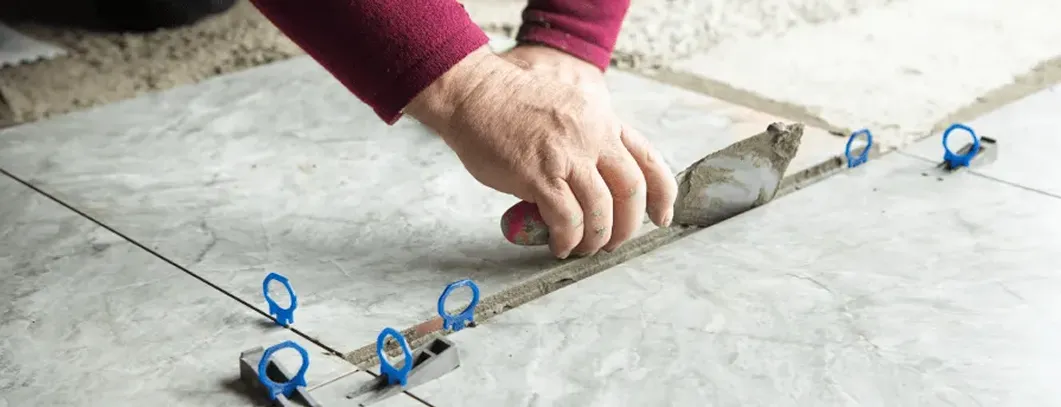
Rectified tiles have sharp machine-cut edges and require precise installation. Lippage (uneven tile surface levels) can happen if the substrate isn’t flat – levelling systems help achieve that clean, consistent plane. Many indoor tilers rely on these systems for large-format tiles.
Room-by-Room Indoor Tiling Ideas (Perth Homes)
Not all spaces share the same vibe. That is why it’s essential to understand which tiles will be the right option for a particular space. If you are looking for the most creative ideas for kitchen tiles and splashbacks, along with ideas for other rooms, keep reading –
- Living Rooms
The room can be made to feel spacious with large-format porcelain tiles that offer terrazzo-look or concrete-look finishes. Warmth can be brought in with rugs, plants and furniture later. Calm, natural finishes are popular in many interior tiling Perth projects to achieve a timeless effect.
- Kitchens
For floors, opt for a resilient porcelain surface that can resist staining. For splashbacks, think stack-lay subway tiles or a feature tile such as a geometric pattern for an up-to-date look. Great kitchen tiling ideas need to have the right blend of functionality and aesthetics. A kitchen backsplash tile with a matte or satin finish is ideal because it won’t show water spots and fingerprints like gloss does.
- Bathrooms
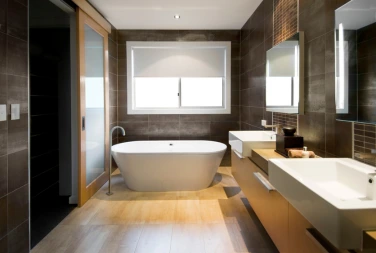
Pair big stretch of wall tiles with a feature mosaic or kit-kat panel behind the vanity or in shower niches. Verify that waterproofing is in accordance with AS 3740. Make sure that the bathroom tiles design has a calming effect. Do not overlook slip-resistance when considering safe bathroom tiling for wet rooms.
- Laundries & Mudrooms
Mid-size tiles such as 300×600 give easy cutting around cabinetry. Low-gloss porcelain works best for durability.
- Hallways & Entries
Use textured porcelain or matte stone-look options for longevity. Patterns like herringbone can add interest. Perth floor tilers often recommend porcelain for entryways due to sand and grit from outdoors.
Interior Tiling Perth Costs: Tiles, Labour & Extras
Tile supply pricing varies by material:
- Ceramic: $20–$30/m² (common for splashbacks and walls)
- Porcelain: $50–$100/m² (depending on finish and size)
- Natural Stone: $80–$200/m² (requires sealing and ongoing care)
Tile Labour Rates in Perth
Most Perth tiling services charge per square metre. The rate varies from $75/m² to $120/m². The cost comes down to $4,500–$7,000 for a standard ~28 m² space.
Possible Extras
- Surface levelling or screed
- Bathroom waterproofing for toilet tiles design
- Epoxy grout upgrade
- Movement joints and trims
- Under-tile heating
Table A: Perth Indoor Tiling Budget Snapshot
| Room | Good-Value Tile $/m² | Premium Tile $/m² | Typical Labour $/m² | Likely Extras | Notes |
| Living Area | $20–$30 | $80–$200 | $75 to $120 | Levelling, trims | Large formats reduce grout lines |
| Kitchen Floor | $20–$30 | $80–$200 | $75 to $120 | Set-down cuts | Porcelain recommended |
| Kitchen Splashback | $20–$30 | $80–$200 | $75 to $120 | Mosaics, trims | Decorative tiles cost more to lay |
| Bathroom | $20–$30 | $80–$200 | $75 to $120 | Waterproofing, epoxy grout | Choose slip-rated floors |
| Laundry | $20–$30 | $80–$200 | $75 to $120 | Cut-outs around joinery | Mid-size tiles easiest |
* Prices may vary based on availability and current market rates.
Ref: https://marblewest.com.au/tiling-costs-in-perth/
Standards & Compliance (WA/Australia)
There are specific compliance measures that should be kept in mind regarding interior tiling in Perth. Here are the essential standards that must be met for tiling works –
Waterproofing (AS 3740:2021)
Shower walls are to be waterproofed to 1800 mm (6ft) above the finished floor level and then sealed with a flexible sealant, such as silicon. Correct drainage falls are essential. There are so many failures that take place when membranes get damaged during the installation of tiles.
Tiling Installation (AS 3958)
This establishes requirements for adhesive coverage and tolerance for alignment of tiles. Movement joints are crucial at any junction between tiles and walls.
Slip Resistance (AS 4586 + HB 198)
Bathroom tiling should use slip-rated tiles to ensure safety and convenience. It is recommended to opt for R10+ or P3+ on bathroom floors so that your avoid mishaps while bathing.
Apartments (NCC Acoustic Requirements)
A noise-reducing underlay may also be necessary. You can opt for the same when laying tiles over slabs in multilevel residential applications.
Floor Tiling Perth Installation Essentials
- Substrate Preparation: The surface should be flat for the installation of large-format tiles. This prevents lippage and cracking.
- Movement Joints: Position around perimeters, doorways and material changes.
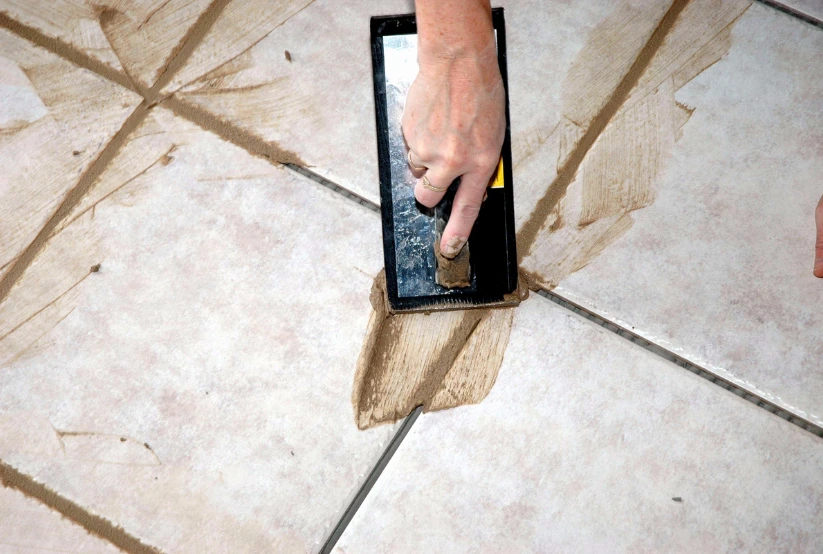
- Grout: Cement is easier to install but stains; epoxy grout is stain-resistant and recommended for kitchens and bathrooms.
- Under-Tile Heating: Provides warmth in winter, but you need to plan ahead before installing.
Maintenance & Longevity
- Use neutral cleaners to protect grout.
- Glazed porcelain usually does not require sealing, while natural stone does.
- Keep spare tiles for future tiles replacement.
- Occasional tiles grouting & regrouting can refresh older rooms without a full renovation.
Interior Tiling Perth Money-Saving Tips
Even with an innovative design, tiling expenses can add up quickly. So, it’s important to be strategic in your choices of materials and installation if you want to remain budget-conscious without sacrificing a stellar look at the end.
- Choose porcelain over natural stone for style with less ongoing cost.
- Use large tiles in living areas to reduce tile repairs Perth costs.
- Use a simple splashback design to reduce the cost of installation.
- Go through quotes cautiously: be sure waterproofing, trims and levelling are listed.
Interior Tiling Ideas: The Best Choice For You
| Goal | Best Choice |
| Lowest upkeep | Large-format porcelain + sealed cement grout |
| High-style bathroom | Large wall tiles + kit-kat feature + P-rated floor |
| Budget kitchen update | Mid-size porcelain floor + simple stacked splashback |
| Apartment renovation | Confirm acoustic requirements; use a suitable underlay |
Final Thoughts
Take measurements of your spaces, decide on your desired tile size and finish, and get three estimates from skilled indoor tiling experts. Request your tiler to provide a written statement in support of AS 3740 and AS 3958 compliance. Save extra tiles for future maintenance. A little preparation will ensure your project offers the desired look at the end.